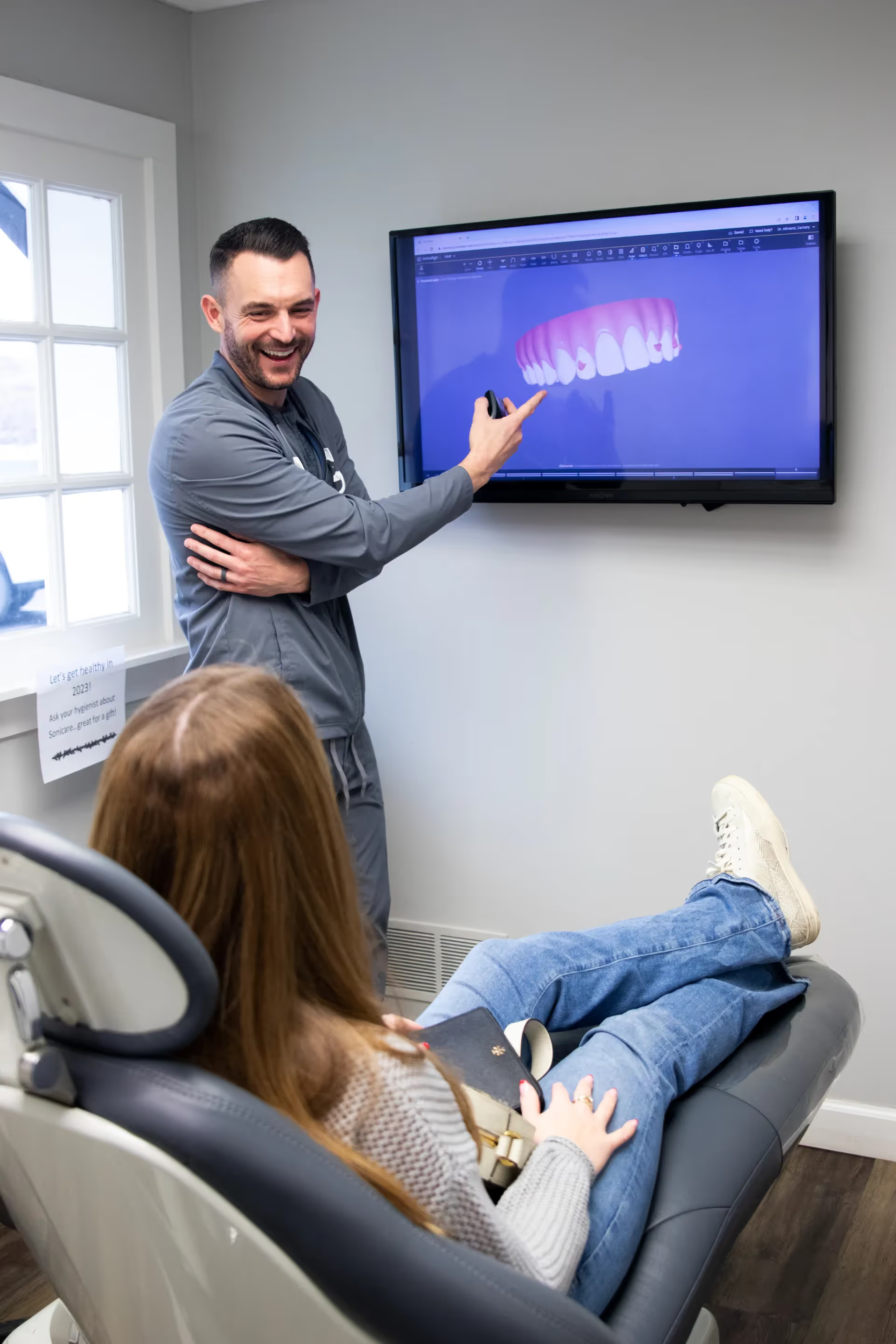
Effective treatment planning is a cornerstone of a successful dental practice. It requires more than a one-size-fits-all approach; it demands adaptability and a deep understanding of the unique needs of different patients. Adapting your treatment plans to specific market segments can significantly enhance patient satisfaction and outcomes.
Building Patient Relationships
The Value of Relationships
Patients find extreme value in the relationships that they have with their dentists. Patients do not choose their dentist solely based on cost or convenience; they choose someone they trust and feel comfortable with. Dr. Zak Allmand explains that patients choose him not because he is the cheapest option but because of the strong, trust-based relationship they have developed with him over time.
Patient Experience
The patient experience is a critical component of building these relationships. Consider a patient receiving veneers; the trust they have in their dentist's expertise and the care they receive throughout the process greatly influence their satisfaction and the likelihood of them recommending the practice to others.
Effective Communication Techniques
Effective communication is fundamental in building trust and rapport with patients. This involves:
Presenting Treatment Options
Engaging patients in their own treatment planning is vital. This can be achieved by:
When presenting treatment options, it’s crucial to offer multiple choices and explain the pros and cons of each. Following the "Rule of Three" can be effective:
Tailoring the Treatment Plan
Tailoring the treatment plan to each patient involves considering their needs, wants, financial situation, and insurance coverage. Offering payment plans or phased treatment options can make comprehensive care more affordable and accessible.
Preventative Treatment Planning
Preventative treatment planning in dentistry emphasizes a proactive, prevention-based approach to maintain oral health and prevent future issues. It involves personalized treatment plans tailored to each patient's unique needs and conditions, utilizing advanced technologies such as 3D imaging, digital X-rays, and CAD/CAM systems for precise diagnostics and restorations. This approach integrates health considerations, recognizing the connection between oral and overall well-being. This forward-thinking strategy aims to provide effective, sustainable treatments that promote long-term oral health.Dr. Zak’s practice emphasizes prevention-based rather than problem-based treatment. This proactive approach focuses on maintaining oral health to prevent future issues. For example, creating personalized treatment plans for patients, such as addressing a missing tooth with options ranging from bridges to implants, balances short-term fixes with long-term health goals.
Effective treatment planning is an ongoing process that involves understanding your practice type, educating patients, and offering flexible options tailored to individual needs. By building trust, providing comprehensive care, and involving patients in decision-making, you can create successful treatment plans that meet both your practice's goals and your patients' expectations.